Being a solo freelance graphic designer gives you freedom, but it can also feel like controlled chaos.
Wearing all the hats as a freelancer isn’t just a figure of speech. It’s practically a daily uniform. One minute you’re designing a logo, the next you’re deciphering client feedback that says, “make it pop, but not too much.” Somewhere between invoicing and updating your portfolio, your coffee goes cold, and your brain short-circuits.
So, to minimize that chaos, design thinking comes in, not just for creating shiny graphics or innovative apps, but as a mindset to bring structure to your creative hustle. By incorporating the design thinking process, freelancers can stop spinning in circles and start working smarter, not harder. It’s a way to build client empathy, streamline problem-solving, and protect your most valuable asset: your sanity.
In this article, we’ll walk through a simple, repeatable system rooted in design thinking to boost your work effectiveness. You’ll get practical freelancing tips, real-world applications, and a few laughs along the way. Whether you’re a newbie juggling your first few gigs or a seasoned pro, this guide’s got something for you.

Understanding Design Thinking for Freelancers *
There’s no need to bust out a whiteboard or wear a blazer to get started with design thinking. At its core, it’s about breaking big, messy challenges into manageable steps, and for freelancers, that means approaching projects with a problem-solving mindset that delivers results clients value. It starts with empathizing by understanding the client’s needs, audience, and pain points. Then you define the problem in clear, actionable terms. Next comes ideating, where you explore creative possibilities before selecting the best ones. Prototyping follows, giving the client a preview of the work, and finally, you test the solution, refining it until it hits the mark. This flexible process turns vague ideas into polished, impactful outcomes.
In practice, design thinking can be a powerful tool for freelancers across all kinds of work. You might use it to clarify client expectations, map out a content strategy, or streamline your workflows. The magic happens in the middle: brainstorming, building drafts, and testing before committing. Iteration is key—you try, see what works (or doesn’t), and improve from there. It’s not about getting things perfect the first time, but about making each version better than the last.
5 Common Problems Solo Freelancers Face – And How Design Thinking Solves Them

Problem 1: Misunderstood Client Briefs *
You nod during the kickoff call, scribble some notes, and dive into the project. Only to hear later, “This isn’t quite what I had in mind.” Classic. Miscommunication is one of the most common and frustrating roadblocks for freelancers. But here’s the truth: most of the time, the brief isn’t the problem. It’s the gap in understanding.
This is where client empathy takes center stage. Instead of rushing into execution, design thinking encourages you to slow down and thoroughly explore the client’s goals, pain points, and expectations. Ask open-ended questions, repeat things back in your own words, and don’t be afraid to say, “Help me understand what success looks like for you.” The goal isn’t just to collect information; it’s to build alignment.
A practical tool? Try creating a client journey map. It helps visualize what your client is going through, from initial problem to final solution, so you can meet them exactly where they are.
A practical tool? Try creating a client journey map. It helps visualize what your client is going through, from initial problem to final solution, so you can meet them exactly where they are. It’s a slight shift, but it can significantly improve the quality of your deliverables and overall work effectiveness.

Problem 2: Vague Project Direction *
Ever spent hours on a project only to realize you’ve nailed a solution… to the wrong issue? It happens more than we’d like to admit.
As freelancers, we’re wired to dive into action. However, without a clear understanding of the actual problem, even the most effective design will fall short.
Here’s how the design thinking process helps:
Pause before producing – Instead of jumping into solutions, take time to explore what’s really going on. Sometimes, clients describe symptoms rather than root causes.
- Ask better questions – Move beyond “What do you need?” to “Why is this important right now?”
- Use “How Might We” prompts – These are mini creative springboards. For example, “How might we make onboarding smoother for new users?” is way more focused than “We need a better landing page.”
Framing the problem is a shortcut to better outcomes. When you define the challenge with precision, everything else from brainstorming to testing becomes more targeted, strategic, and, ultimately, more successful. That’s the power of design thinking in action.

Problem 3: Stuck in a Creative Rut *
Some days, your brain just flatlines. The brief is clear, the deadline is close, and yet…nothing. Creative ruts are a frustrating part of freelancing, especially when you’re your own team. However, design thinking teaches us to embrace the messy middle where quantity matters more than quality, at least initially.
Start with rapid ideation. Jot down every idea, no matter how wild or unpolished. Tools like Pinterest, Miro, and even ChatGPT can help get the juices flowing. Sometimes it takes a dozen mediocre concepts to stumble onto the one that works. And don’t overlook the power of visual tools, such as a quick mockup or even a background remover, which can spark unexpected inspiration.
Creative blocks don’t mean you’re out of ideas; they usually mean you’re overthinking. By focusing on volume and suspending judgment early on, you’ll find your way out faster. This stage of the design thinking process isn’t about perfection. It’s about movement, momentum, and making space for breakthroughs.
Problem 4: Perfection Paralysis *
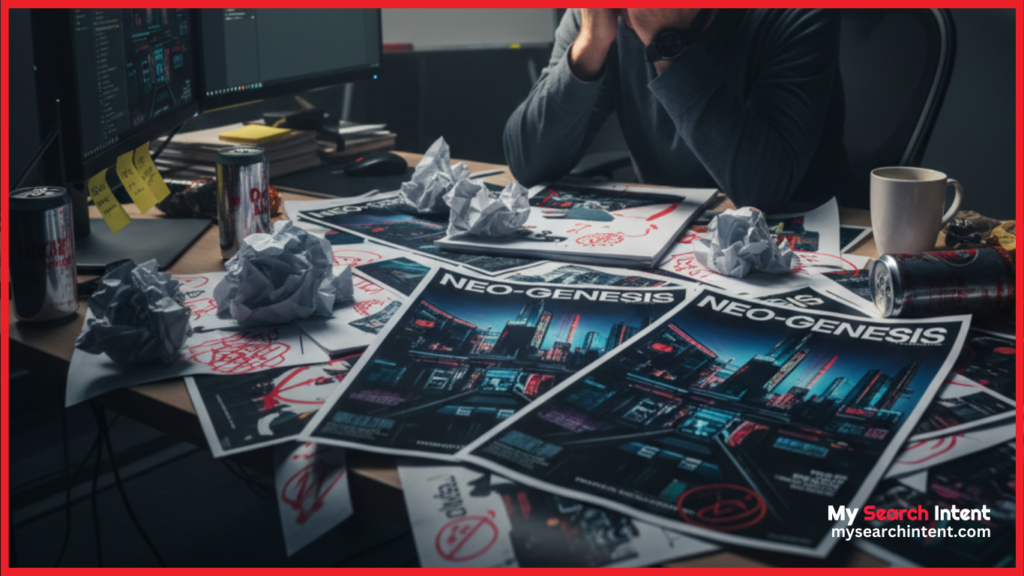
You tweak the same design for hours, adjusting pixels no one else will notice. Sound familiar? Many freelancers get stuck chasing “perfect,” often at the expense of progress. It’s no surprise that, according to a survey conducted by Linearity, 75% of respondents feel pressured to prioritize productivity over creativity at work. That pressure can easily lead to burnout and creative blocks.
Here are three (3) ways to break free:
- Prototype fast – Don’t wait until everything’s polished. Sketch rough drafts, whip up wireframes, or use low-fidelity mockups. They’re meant to test ideas, not impress.
- Show early and often – Share previews with clients before finalizing. It invites feedback, saves time, and prevents going too far in the wrong direction.
- Use simple tools – From Canva to Figma, even a screenshot annotated with notes can be a prototype. A quick background remover edit can also bring clarity to a concept.
Design thinking isn’t about chasing perfection. It’s about progress. By shifting focus to speed and experimentation, you’ll build confidence, improve outcomes, and create with less stress.
Problem 5: Feedback Gaps *
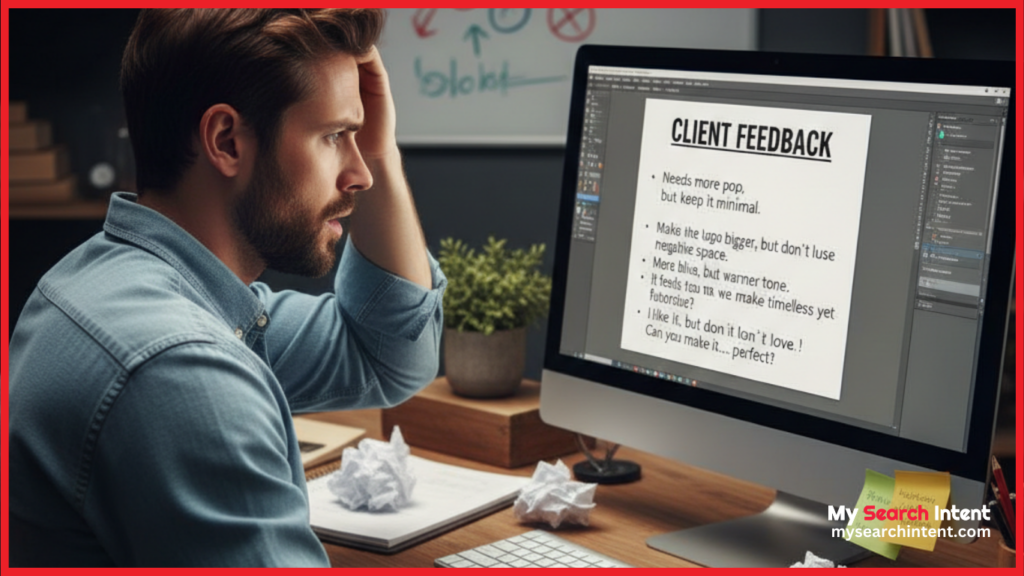
There’s nothing worse than thinking you nailed a project, only to get vague feedback like, “Hmm… It’s not quite there.” Without clear checkpoints, feedback tends to arrive too late, be too broad, or be too confusing to act on. This is where the design thinking process comes in clutch: test before the final delivery, not after.
Start by building mini feedback loops. Share early versions using tools like Loom to walk clients through your thinking, or create simple review forms to gather targeted responses. Ask specific questions like, “Does this match your tone?” or “Would this work on mobile?” This narrows the focus and leads to actionable input. Even a quick mockup using a remove bg tool can help clarify visuals and get cleaner, faster sign-offs.
Consistent, structured feedback prevents that dreaded last-minute overhaul and improves your overall work effectiveness. More importantly, it builds trust. Clients appreciate being part of the process, and you save yourself from having to play mind reader. With design thinking as your guide, feedback becomes less of a correction phase and more of a collaboration.
Tools and Templates to Make It Easier
Let’s be honest: sticking to a process is a lot easier when you’ve got the right tools. Design thinking isn’t about adding more to your plate; it’s about making smarter decisions with what you already have. With the proper setup, you can streamline every stage without breaking your flow (or your brain).
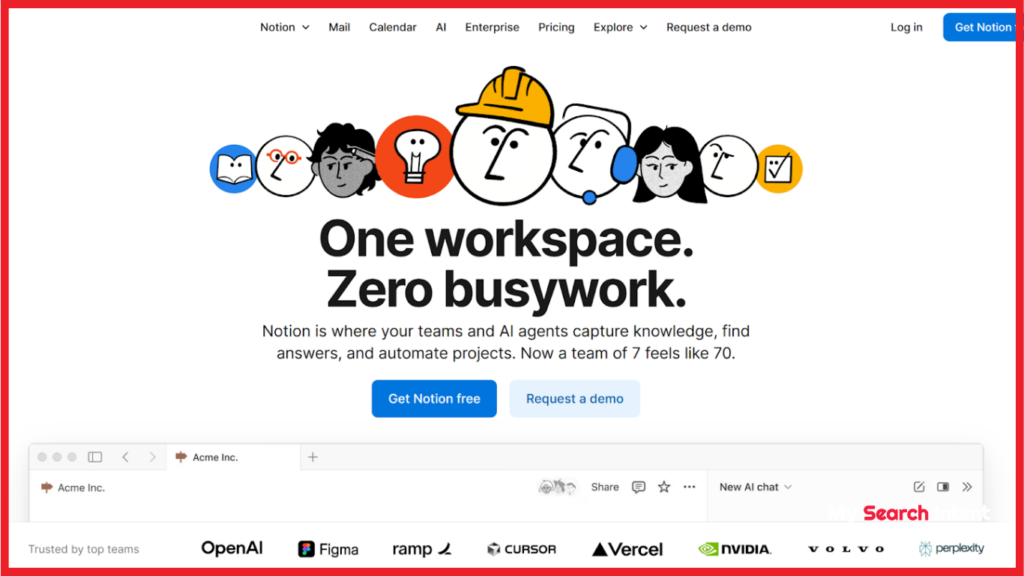
- Notion for defining problems and organizing client input creates spaces for “How Might We” questions, notes, and goals.
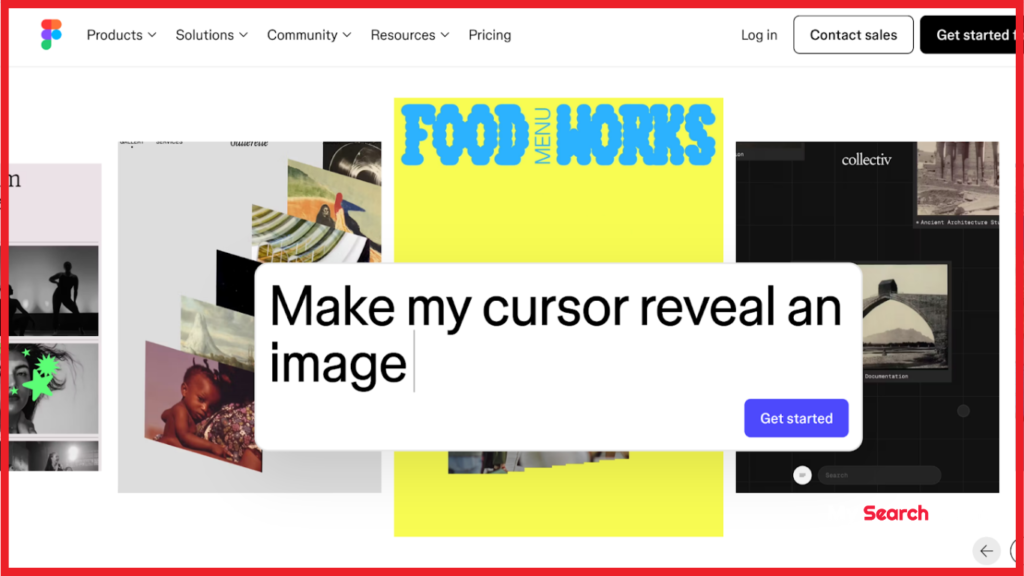
- Figma for quick prototyping and collaborative design. It’s perfect for sharing early ideas and gathering feedback.
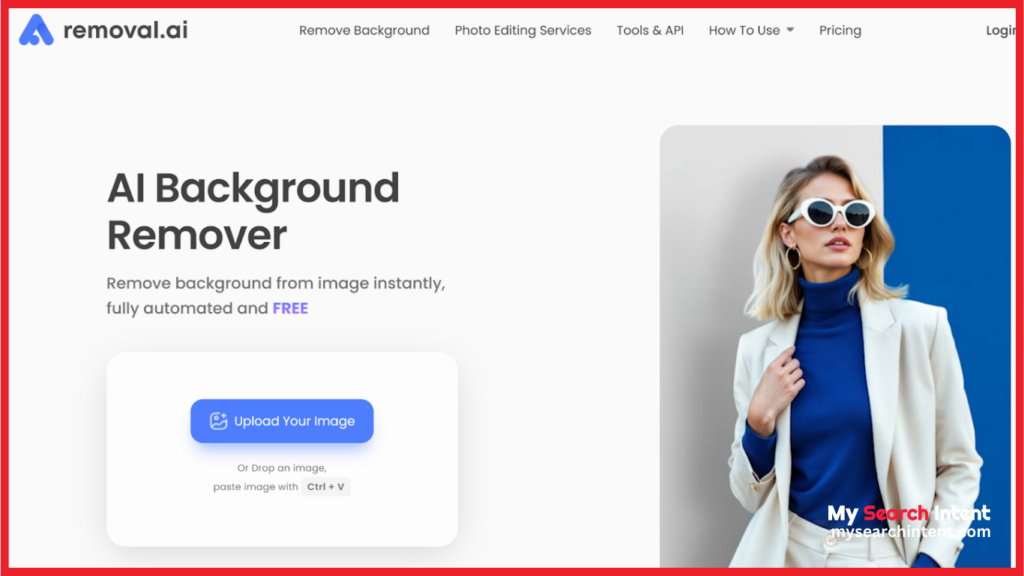
- Removal.AI is a go-to bg remover to test clean visual variations or create polished mockups with zero fuss.
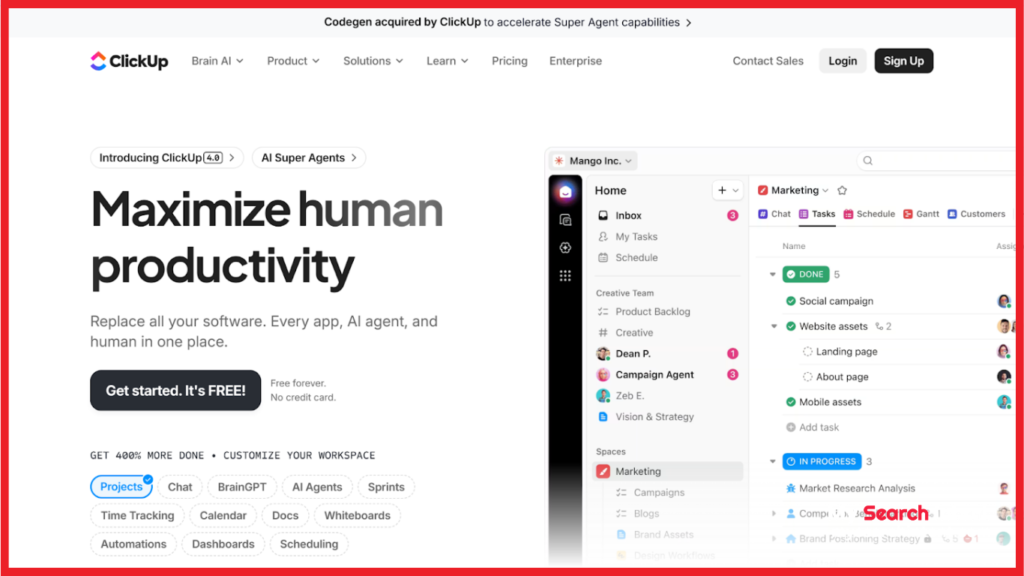
- ClickUp or Notion again for building repeatable workflows, set up weekly check-ins, feedback trackers, or creative sprint boards.
You don’t need a massive toolkit. Just a few well-chosen platforms that work with your style. With a little structure and the help of these tools, applying design thinking becomes second nature. You’ll spend less time guessing and more time creating work that’s intentional, strategic, and client-approved.
Example Use Cases by Freelancer Type
Design thinking isn’t just for creatives in labs. It’s efficient across freelance roles. For virtual assistants (VAs), one common pain point is managing repeatable tasks. By using feedback from clients and team members, a VA can apply the design thinking process to improve standard operating procedures (SOPs), making workflows smoother and more efficient. Just mapping out what works and what doesn’t can lead to measurable boosts in work effectiveness.
For freelance marketers, it’s all about testing and refining messaging. Instead of launching a single big campaign and hoping it succeeds, marketers can prototype smaller efforts, such
as test emails, and use performance data to iterate. A/B testing can increase email open rates by up to 49% and click-through rates by up to 73%. That’s a strong case for testing ideas early, gathering feedback, and evolving from there.
Designers, on the other hand, can enhance client satisfaction by sharing drafts and wireframes early in the process. Tools like Figma or Loom can make ideas more straightforward and faster. Across all freelance roles, real-world feedback fuels better outcomes, and design thinking keeps the whole process grounded and client-centered.
Final Thoughts
You don’t need a big team, a fancy title, or a startup budget to use design thinking. As a solo freelancer, you already wear every hat—strategist, creator, project manager. This process provides a more innovative way to manage them. It’s not about working harder; it’s about solving better. And the beauty is, it scales down perfectly to a team of one.
All it takes is a mindset shift and a simple system. Start by building client empathy into your first calls. Frame your problems with clarity. Prototype without perfection. Gather real feedback. You don’t need to do it all at once; just pick one stage to work on this week. Test it. Tweak it. See how it fits your flow. Even a small change can enhance your work effectiveness and yield more meaningful results.
Because at the end of the day, design thinking isn’t just a process. It’s a rhythm. A rhythm of listening, shaping, and reshaping. It’s rough drafts, sticky notes, quite aha-moments, and bold experiments. It’s freelancing with intention, not guesswork. Whether you’re editing a video, crafting a pitch, or using a bg remover to polish a mockup, this is how good work gets even better, one thoughtful step at a time.